When planning a tropical getaway, the most popular activity is often exploring the beauty of the ocean. However, many beginners find themselves asking: what is the actual difference between scuba diving and snorkeling? While both activities involve viewing coral reefs and marine life, they are fundamentally different in terms of the equipment used, the skills required, and, most importantly, the depth of the experience you will have beneath the surface. Understanding these differences is the first step in choosing the activity that best suits your interests and comfort level.
Snorkeling is the easiest way to start and is accessible to almost everyone; with just a mask and a breathing tube, you can float on the surface and gaze down at the fish. On the other hand, Scuba Diving involves immersing yourself completely in the underwater world at much greater depths. This requires an air tank and more complex life-support equipment. Recognizing these distinctions will help you plan your vacation correctly, ensuring you have the most fun while staying completely safe.
Equipment Differences: Simple Gear vs. Full Life Support
The most obvious difference lies in the gear required for each activity. The equipment is designed specifically for how long and how deep you intend to stay underwater.
-
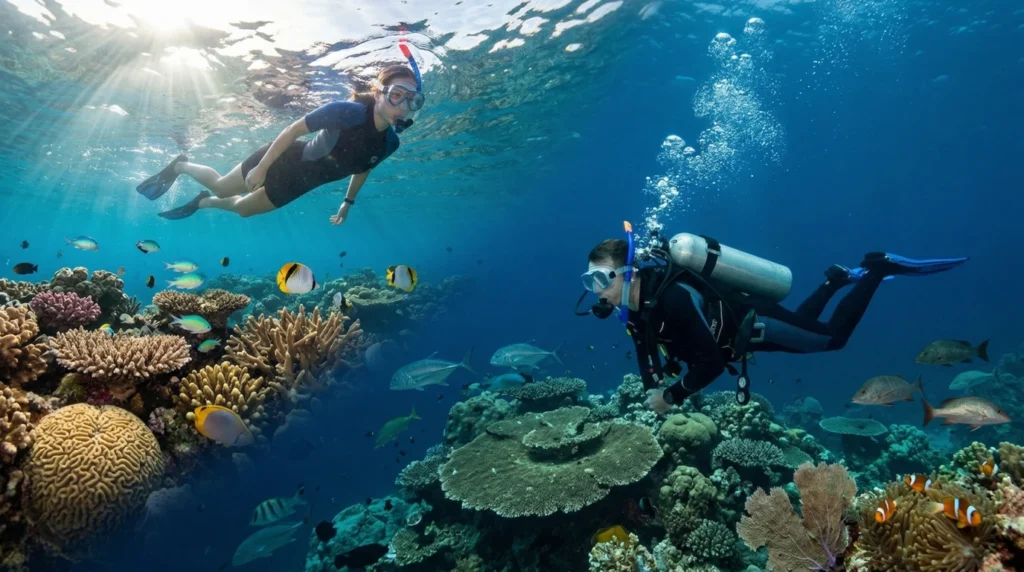
Snorkeling: The primary gear consists of only a mask, a snorkel, and fins. You focus on floating on the surface and breathing air from above through the tube to view the scenery below. It is perfect for those who want to see the underwater world from a wide, top-down perspective.
-
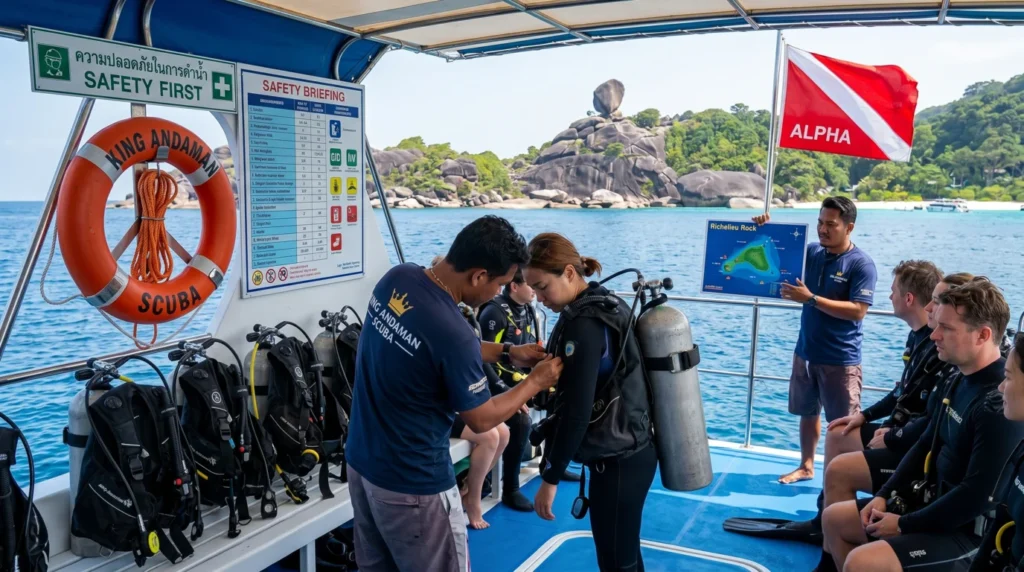
Scuba Diving: You need a full set of life-support equipment that allows you to breathe and control your buoyancy underwater. This includes an air tank, a regulator to deliver air, a Buoyancy Control Device vest, and pressure gauges. This gear allows you to stay submerged for long periods without having to return to the surface for a breath.
At King Andaman Scuba , we prioritize the quality of every piece of equipment. All gear undergoes regular safety checks to ensure every second you spend underwater is smooth and worry-free.

Depth and Underwater Perspectives
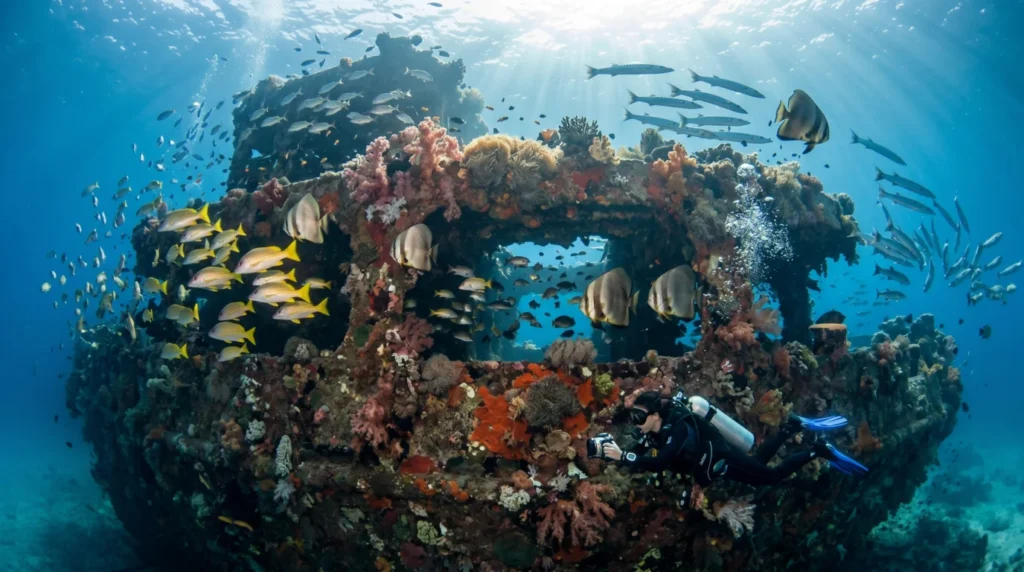
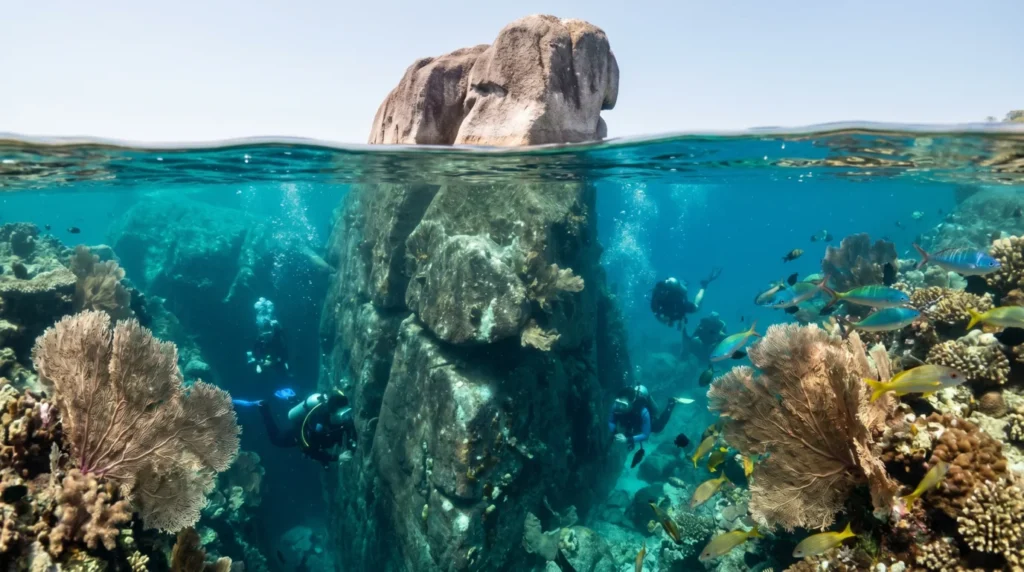
In snorkeling, you are generally limited to the surface or short “skin dives” of just a few meters. Your view is like a bird’s-eye perspective, looking down from the top. However, in scuba diving, you become part of the underwater world at depths ranging from 12 to 30 meters. This allows you to see the vertical structure of a Coral Reef, explore underwater rock formations, and get close to rare marine species that typically live in deeper waters where less light penetrates.
Skills and Training: What Do You Need to Know?
Many people worry about their swimming abilities. For snorkeling, almost no special skills are required; simply wearing a life jacket allows anyone to enjoy the water. Scuba diving, however, requires formal training. You need to learn essential skills such as equalizing ear pressure, clearing water from your mask, and controlling your buoyancy. If you are serious about starting, reviewing a Beginner’s Diving Guide can help you prepare before heading into the water for your first real adventure.
Safety and the Physiology of Diving
Scuba diving involves “pressure,” which is very different from snorkeling where the body does not face significant changes in atmospheric pressure. Scuba divers must learn to breathe continuously and never hold their breath. They must also learn to ascend to the surface slowly to prevent decompression sickness, often caused by nitrogen bubbles in the body. Understanding these safety measures is the main reason scuba diving requires guidance from professional instructors at a certified school.
Budget and Time Commitment
Budget is often a deciding factor when choosing between these two activities:
-
Snorkeling: This is very affordable and requires little time. It is usually included in general island-hopping tours , making it ideal for families with young children or the elderly.
-
Scuba Diving: The cost is higher due to specialized equipment, air tank refills, and the supervision of professional Dive Leaders or instructors. However, when compared to the experience of “breathing underwater” and being surrounded by nature in 360 degrees, most divers agree it is worth every penny.
Top Recommendations: Similan Islands and Khao Lak
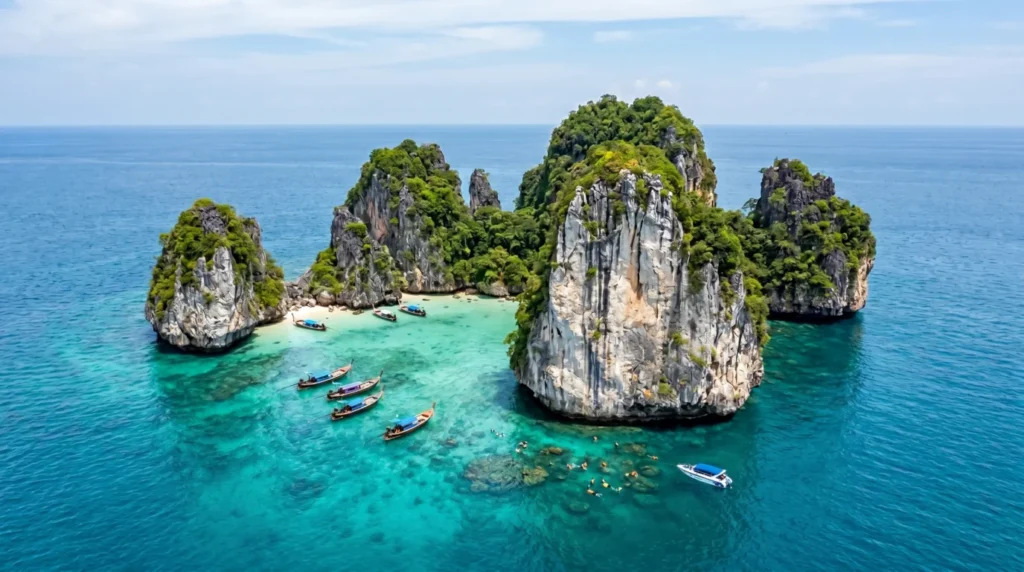
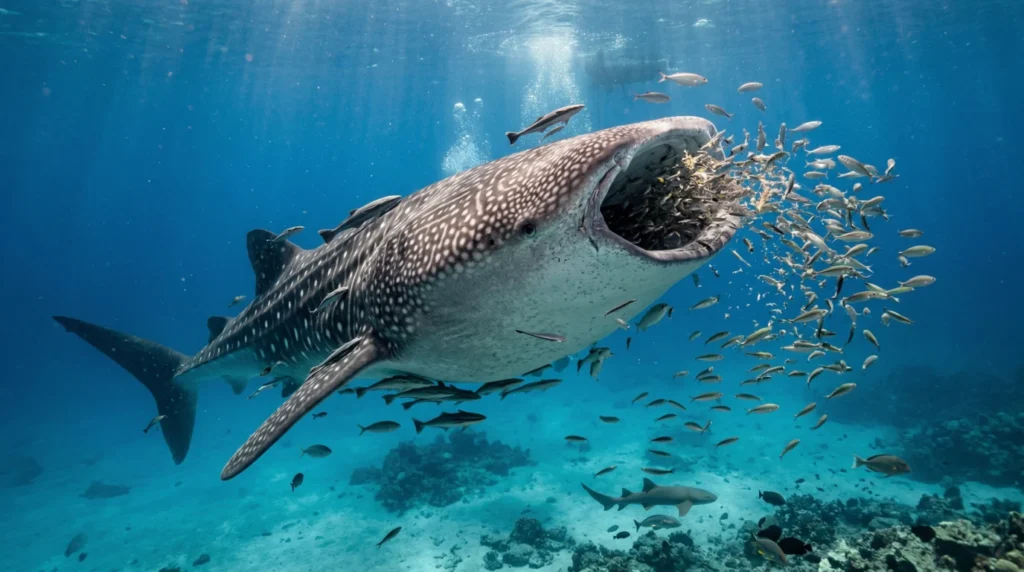
Khao Lak in Phang Nga is a world-renowned destination for both activities, especially the Similan Islands, known for their crystal-clear water. For snorkelers, the colorful clownfish and shallow reefs at Koh 4 or Koh 8 are breathtaking. But if you choose scuba diving, spots like Richelieu Rock offer a high chance of seeing Whale Sharks, while Koh Bon is a famous meeting point for Manta Rays—sights that are nearly impossible to experience while just snorkeling.
Why You Should Upgrade to Scuba Diving
If you have ever felt bored floating on the surface—where waves might make you seasick—or if you want to explore the nooks and crannies of a reef more closely, upgrading to scuba diving opens a whole new horizon. it changes your role from a “spectator” to an “explorer” in one of the most peaceful and beautiful places on Earth. It also gives you the opportunity to dive at more exclusive and stunning sites across the globe.
Physical and Mental Benefits of Diving
Scuba diving is more than just a sport; it is a form of meditation. You practice deep, rhythmic breathing, which improves blood circulation and reduces stress remarkably. The weightless environment underwater also reduces impact on your joints, allowing your body to move freely and comfortably. It is a true escape for both the body and the mind.
Summary: Choosing the Right Adventure for Your Lifestyle
In Summary, the difference between scuba diving and snorkeling comes down to the level of immersion you desire. If you prefer convenience and quick fun, snorkeling is a fantastic choice. However, if you are ready to open your mind to new skills in exchange for experiencing underwater wonders from a perspective few ever get to see, starting your diving journey in Khao Lak with a professional team will provide memories that surface-level swimming simply cannot match.
Frequently Asked Questions
Q1: If I am not a strong swimmer, should I start with snorkeling or scuba diving?
A1: You can start with both! Snorkeling uses life jackets for support, but for scuba diving, a “Discover Scuba Diving” program with a 1-on-1 instructor can actually make you feel safer and more confident underwater, even if you aren’t a pro swimmer.
Q2: Is scuba diving more exhausting than snorkeling?
A2: Surprisingly, scuba diving is often less tiring. We move slowly underwater in a weightless state, whereas snorkeling requires you to constantly fight waves and currents on the surface.
Q3: At what age can children start learning to scuba dive?
A3: According to PADI standards, children as young as 10 years old can start the Junior Open Water course. It is a great activity for building discipline and a love for nature.
Q4: How long does it take to go from a beginner to a certified diver?
A4: Typically, it takes only 3 to 4 days. This includes theory, pool practice, and open water check-out dives. After that, you are ready to be a certified diver anywhere in the world!