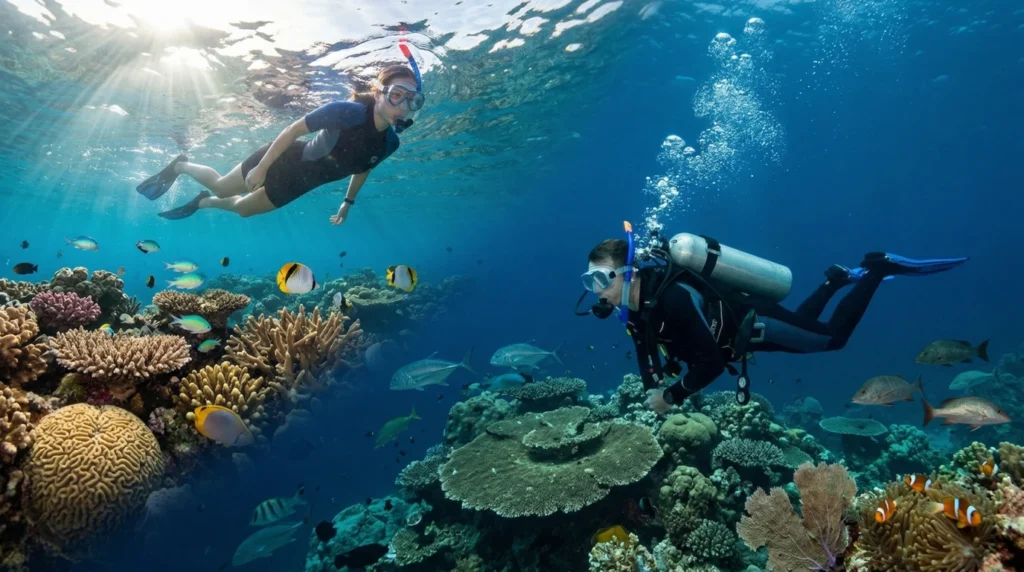
In the world of scuba diving, there are “pretty” dives, and then there are “heart-pounding” dives. While the Similan Islands are famous for their white sands and vibrant reefs, those who crave encounters with the giants of the ocean head further north.
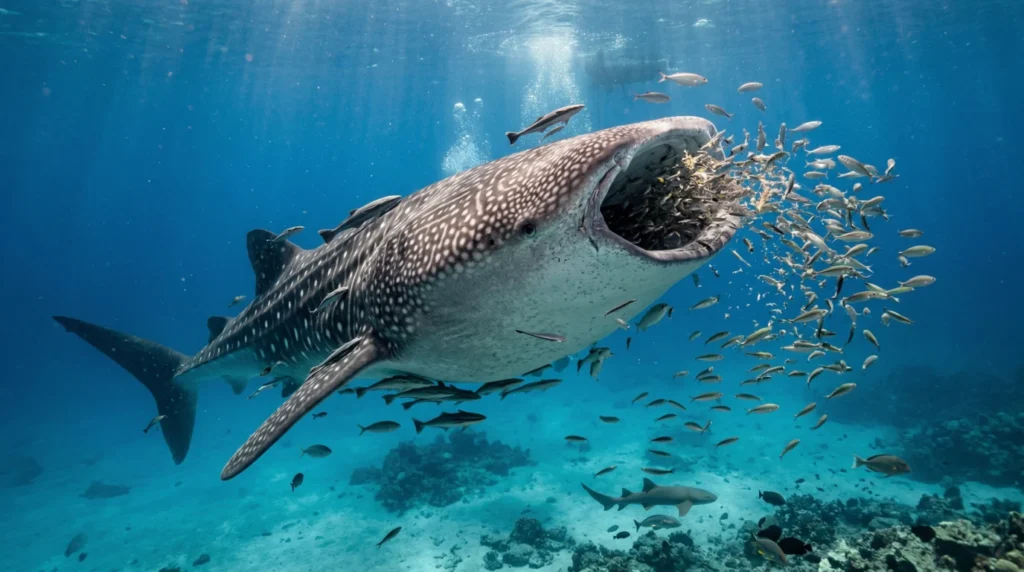
Koh Bon and Koh Tachai represent the “Pelagic Frontier” of Thailand. These two sites, located within the protected waters of the Mu Ko Similan and Mu Ko Surin National Parks, are the most reliable places in the country to see Manta Rays and Whale Sharks. If you are looking for that life-changing moment where a creature the size of a small car glides silently over your head, these are the coordinates you need.
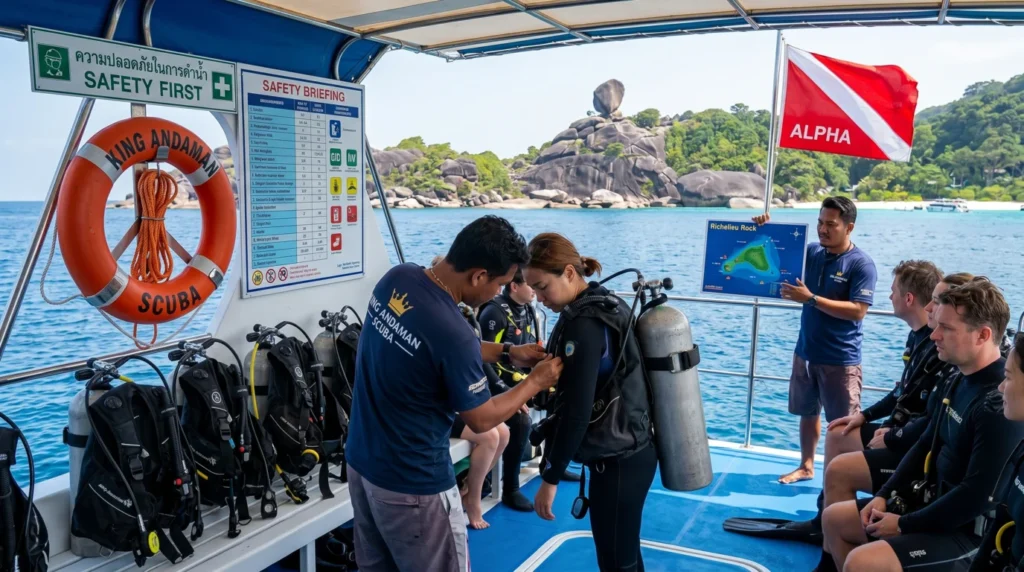
For many divers, the journey starts in Khao Lak. Choosing a local expert like King Andaman Scuba Diving Khao Lak ensures you aren’t just visiting a site, but timing your entry to the exact moment the giants arrive.
Koh Bon: The Manta Ray Magnet
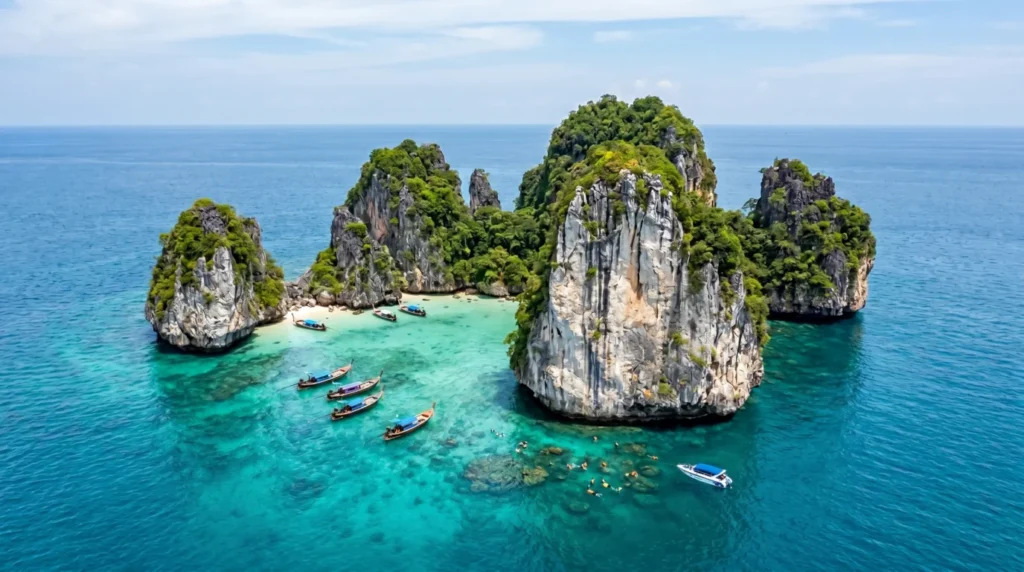
Located about 20 kilometers north of Similan Island #9, Koh Bon is a limestone island that stands in stark contrast to the granite boulders of the Similans. It is famous for one thing above all else: Manta Rays.
The West Ridge: The Main Stage
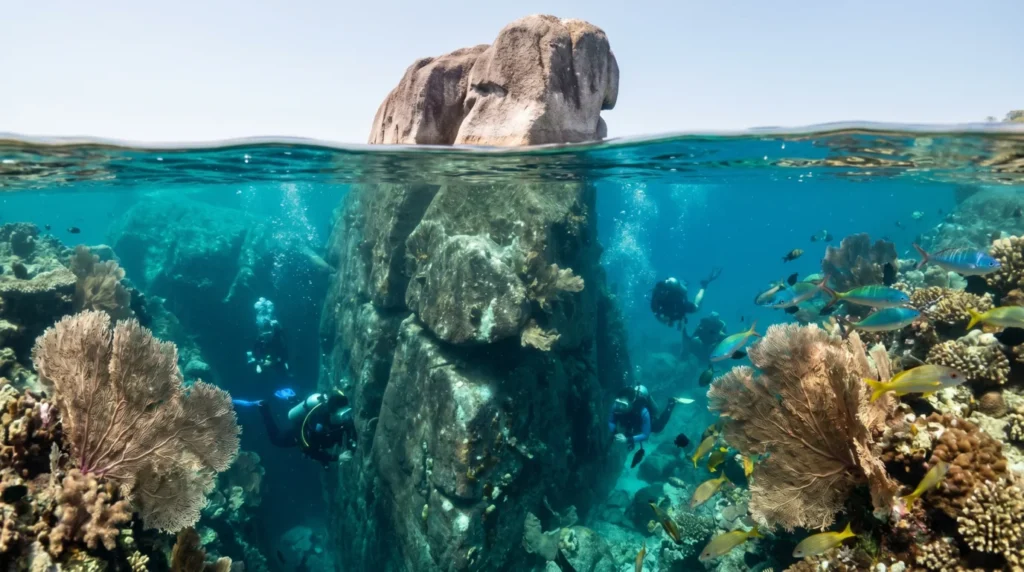
The most iconic dive site here is the West Ridge. This long, submerged finger of rock extends out into the deep blue, acting as a natural bridge for pelagics. Because the ridge is exposed to the open sea, it creates a “cleaning station” effect.
Manta Rays (specifically Mobula alfredi or Reef Mantas) visit the ridge to have parasites removed by small cleaner wrasse. For divers, this means the Mantas don’t just swim past, they hover, circle, and perform underwater ballets for minutes or even hours.
The Pinnacle: For the Deep Enthusiasts
Just off the north-west coast of Koh Bon lies a deep pinnacle. Reaching down to 40 meters, this site is strictly for advanced divers. It is a known hotspot for schooling hunting fish like Trevally and Tuna, and it’s a frequent “lookout” point for Whale Sharks passing through the deep channel.
Koh Tachai: The Plateau of Giants
Further north still is Koh Tachai. While the island itself is stunning, divers are interested in the Tachai Plateau (often called “Twin Peaks”).
If Koh Bon is about grace and cleaning stations, Koh Tachai is about raw power and high-speed action. This submerged plateau is legendary for its currents, which bring in the nutrient-rich water that attracts the ocean’sพ biggest residents.
Why Whale Sharks Love Koh Tachai
The plateau acts as a massive feeding ground. When the current is running, it pushes plankton and small fish up against the rocks. This “dinner bell” often brings in Whale Sharks. Unlike other sites where a sighting is a lucky “drive-by,” Whale Sharks at Koh Tachai often stick around for several days, circling the plateau and interacting with divers.
The “Fish Soup” Experience
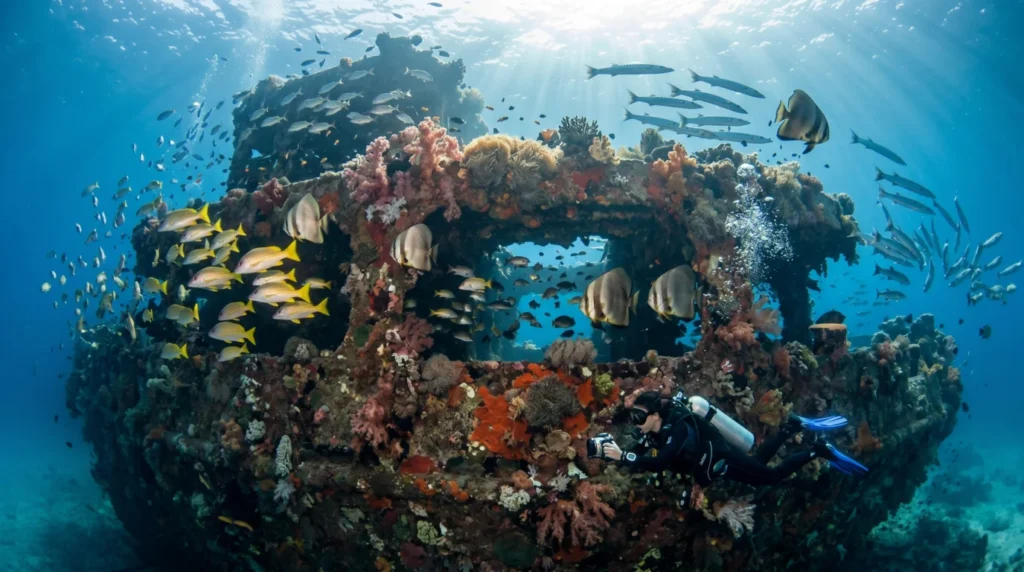
Even if the big guys don’t show up, Koh Tachai is never boring. It is often described as “fish soup” due to the sheer density of life. You can expect to see:
-
Massive schools of Chevron Barracuda.
-
Giant Trevally hunting in the currents.
-
Leopard Sharks resting on the sandy bottom.
-
Batfish that follow divers throughout their safety stops.
The Best Way to See the Giants: The M/V Maxwell
To truly experience these sites, you need time. Day trips from the mainland can feel rushed, which is why a liveaboard is the gold standard for pelagic hunting.
The M/V Maxwell, operated by King Andaman Scuba, is specifically designed for this northern route. Staying on a liveaboard allows you to:
-
Dive at “Golden Hour”: Be the first in the water at sunrise before the day-trip crowds arrive.
-
Multiple Hits: Dive Koh Bon or Koh Tachai three or four times in a row, significantly increasing your odds of a Manta encounter.
-
Expert Guidance: Dive with professionals who understand the specific current patterns of the Tachai Plateau.
Best Time to Visit
The Andaman Sea is seasonal, and timing is everything when targeting Mantas and Whale Sharks.
-
The Season: The National Parks are open from October 15 to May 15.
-
Peak Pelagic Months: While you can see big fish at any time, the “sweet spot” is February to April. This coincides with plankton blooms and changes in water temperature.
-
The Moon Cycle: Many experienced guides suggest that the days leading up to and following a full moon bring the stronger currents that these pelagics love.
Read more: The Complete Guide to the Khao Lak Diving Season: When to Dive the Andaman Sea
Tips for Respectful Pelagic Encounters
Seeing a Manta or Whale Shark is a privilege. To ensure these animals keep returning to Koh Bon and Koh Tachai, follow the “Code of Conduct”:
-
Do Not Chase: You cannot outswim a Manta. If you stay still, their natural curiosity will often bring them to you.
-
Do Not Touch: This can damage the protective mucous layer on their skin.
-
Stay Low: If you are at a cleaning station at Koh Bon, stay lower than the ridge. If you hover above the station, you block the Manta’s path.